Whether as antibiotics, in oncology or for the treatment of cardiovascular and metabolic diseases: peptides play a vital role in medicine, particularly when they contain specific building blocks that are rarely found in nature. These are known as ‘non-canonical amino acids’ and can, on the one hand, stabilise peptides (to prolong their duration of action) and, on the other hand, specifically link them to other active substances (to enable, for example, more selective recognition of tumour cells).
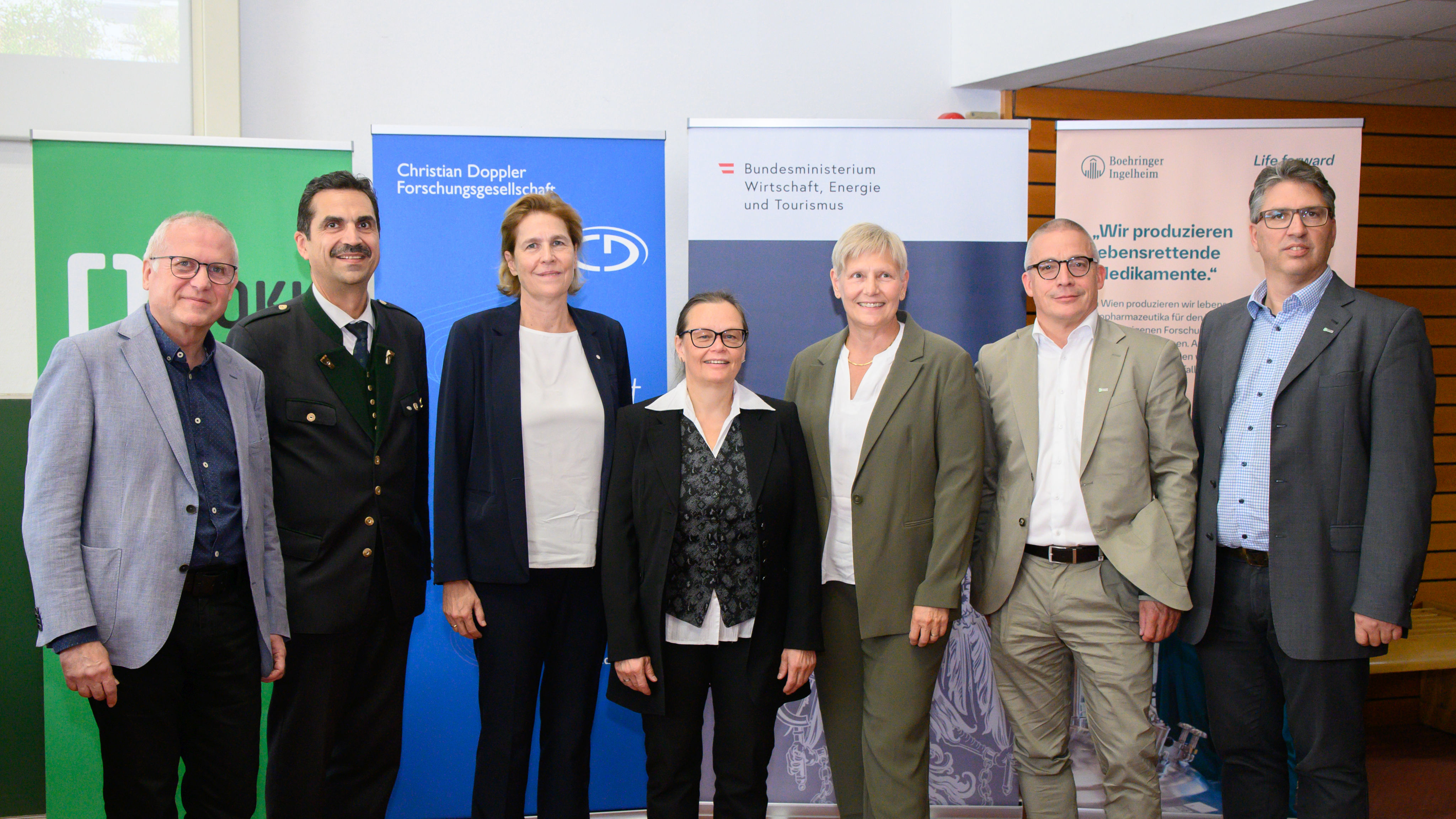
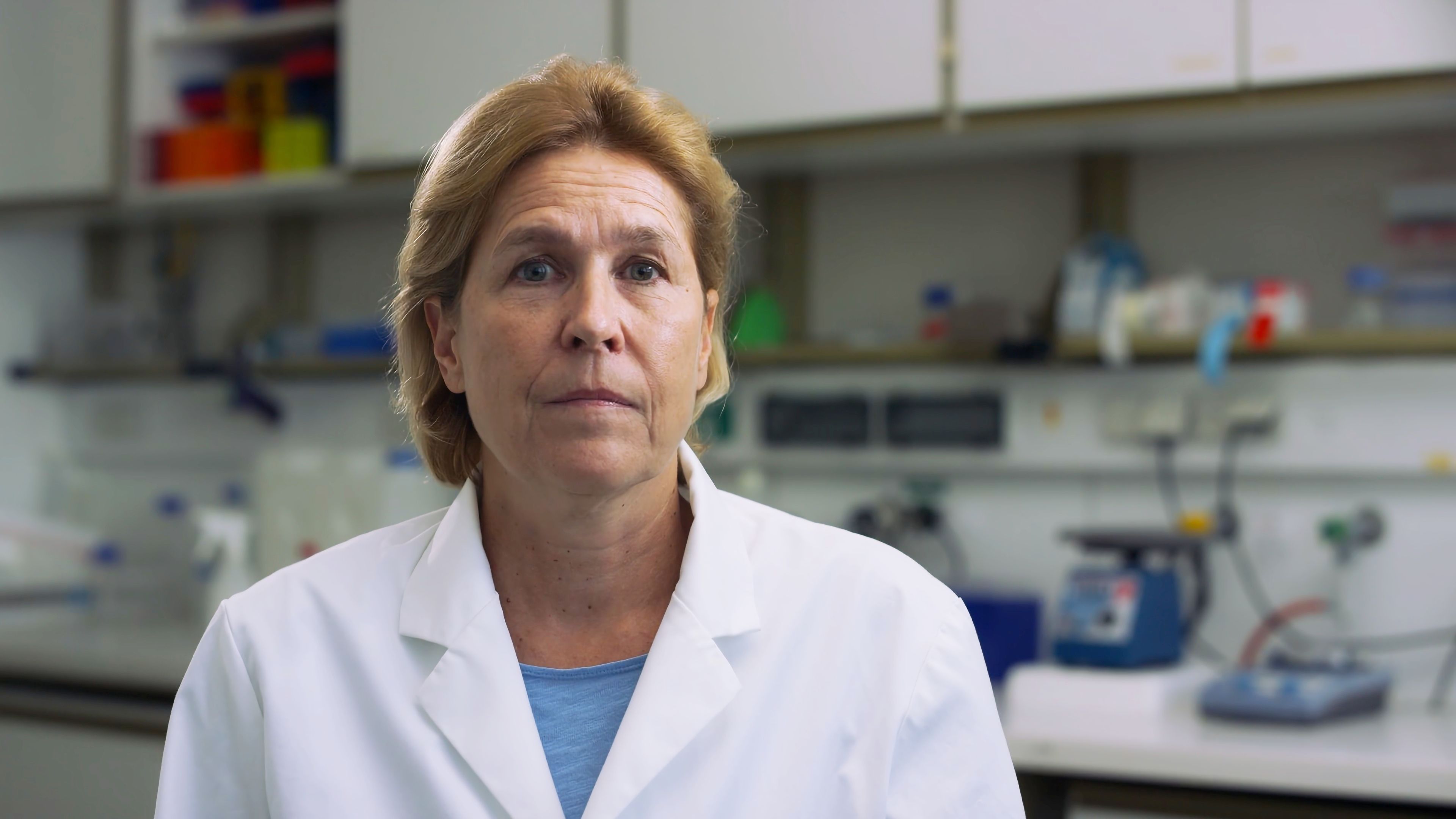
However, the conventional chemical synthesis of such peptides requires large quantities of solvents and potentially hazardous chemicals. Head of Laboratory Monika Cserjan and her team at the CD Laboratory for Sustainable manufacturing of functionalized biopharmaceutical peptides at BOKU University, supported by commercial partner Boehringer Ingelheim RCV GmbH & Co KG, are therefore conducting comprehensive basic research aimed at enabling a sustainable and cost-effective alternative: The research focuses on efficient, knowledge-based, scalable and sustainable manufacturing platforms, utilising genetically modified bacteria that can incorporate non-canonical amino acids into peptides with high efficiency.
Sustainable production of key active ingredients
10/26: New CD Laboratory at BOKU University
Banner CDG-News