

The CDG asks for your consent: We would like to process your pseudonymised data about the use of the website for analysis purposes in order to understand how visitors use our website so that we can make it even better and more intuitive. We use the open-source software Matomo for this purpose. By clicking on "accept all" you can give us your consent for this. You can revoke your consent at any time with effect for the future. You can withdraw your consent at any time by clicking the button "Customise cookie settings" and unchecking the "Analyse" box. The legality of the processing carried out up to that point is not affected by the cancellation.
Without your consent, we will only process your data to the extent technically necessary to display the website to you. Information on the required data processing and the technically required cookies can be found after clicking on the "Settings" button under "Required cookies" and in our privacy policy.
CD Laboratory for Precision Oncology: Lipid Emulsions as a Paradigm Shift in Chemotherapy
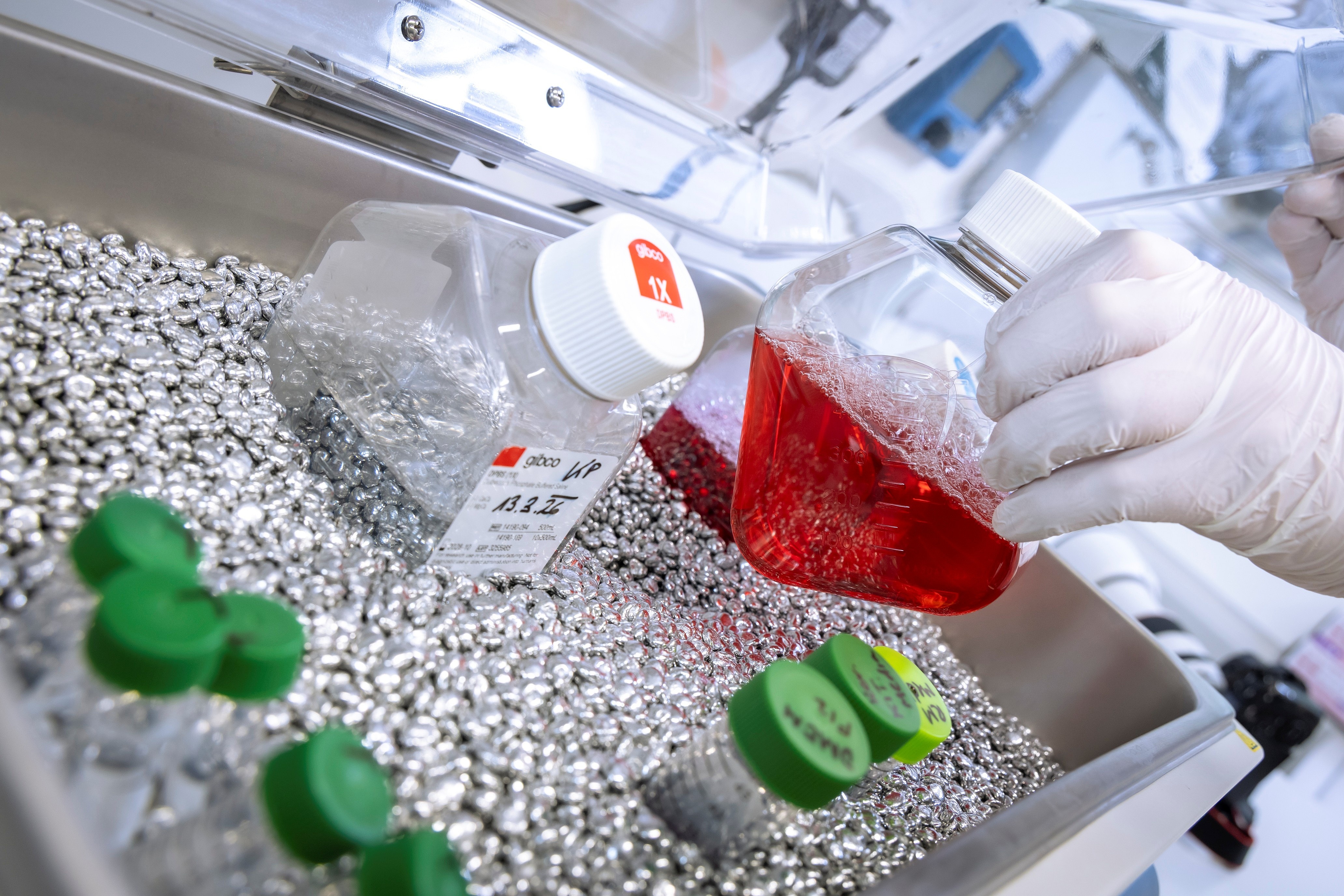
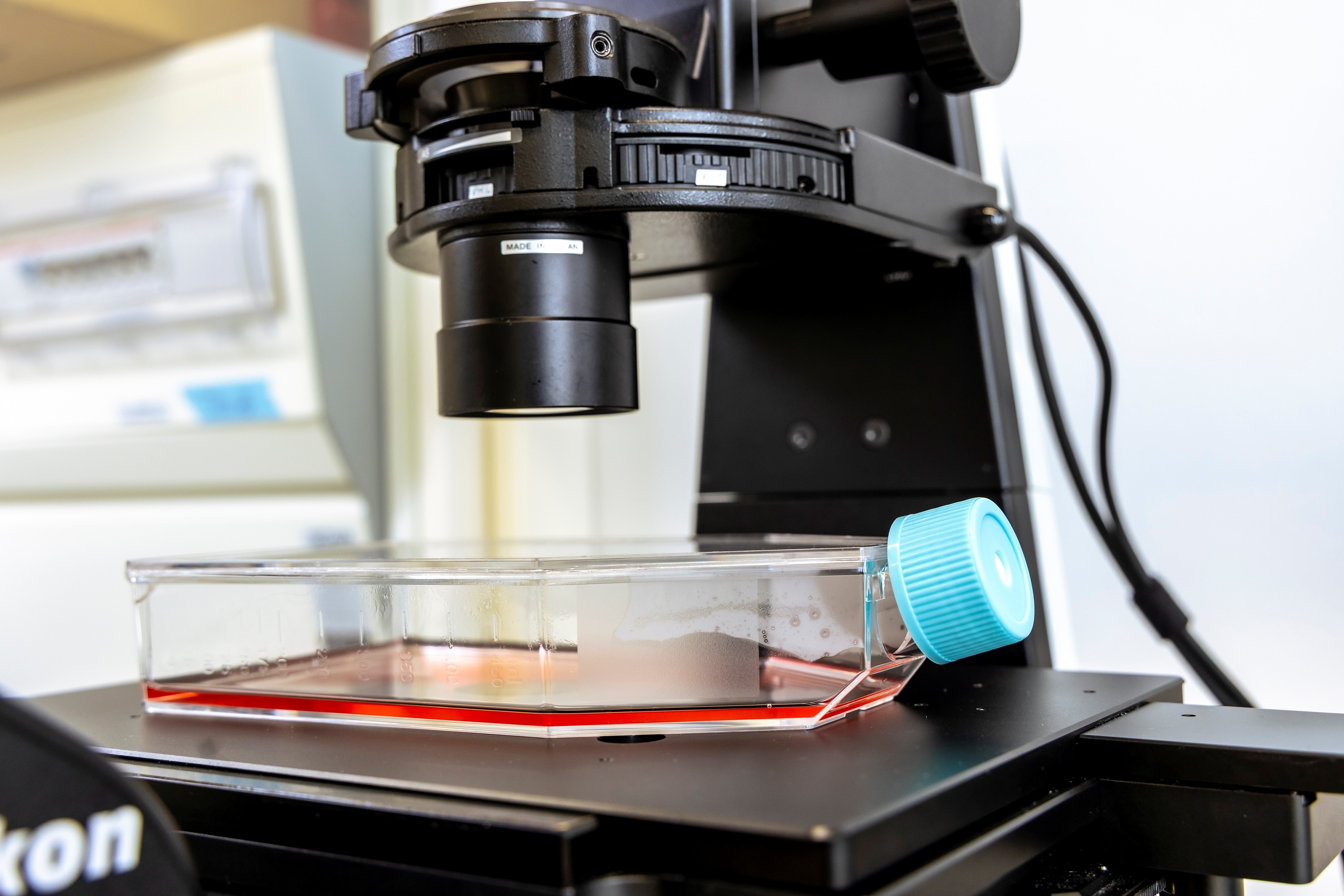
Cancer remains one of the leading causes of death worldwide and is associated with significant suffering for patients and their families. The disease often leads to a substantial reduction in quality of life while also imposing a high economic burden on healthcare systems. It therefore represents a major challenge for modern medicine. Despite considerable advances in oncology, persistent issues such as therapy resistance, limited efficacy, and severe side effects remain. Omega-3 fatty acids have shown promising potential in early studies to inhibit tumor growth and enhance the effectiveness of chemotherapy.
The aim of the CD Laboratory is to develop an intravenously administered nanoemulsion based on omega-3 fatty acids derived from algal oil to improve the efficacy and tolerability of cancer therapies.
The project focuses on investigating synergistic and antagonistic effects of different DHA (docosahexaenoic acid) and EPA (eicosapentaenoic acid) formulations in combination with chemotherapeutic agents. To this end, patient-specific three-dimensional tumor models are developed that integrate not only tumor cells but also components of the tumor microenvironment and immune cells, enabling a physiologically relevant representation of the disease.
Tumor tissue obtained from surgical resections is processed under standardized and quality-controlled conditions to establish viable, patient-derived model systems. This transfer from patient material to functional models is essential for accurately capturing the biological complexity of individual tumors.
In addition, potential side effects of the developed nanoemulsions on healthy tissue are investigated, particularly in cardiac and skin cells. For this purpose, patient-derived cardiomyocytes are used, which are generated from skin cells: these are first reprogrammed into stem cells and then differentiated into heart muscle cells. This approach allows for highly realistic testing of treatment effects.
Furthermore, the project analyzes how omega-3 fatty acids influence the immune system by examin-ing their effects on different immune cell types.
By gaining a deeper understanding of the molecular mechanisms underlying these nanoemulsions, the project aims to develop new strategies for more effective and better tolerated cancer therapies. In the long term, the preclinical findings are expected to form the basis for future clinical applications and contribute to improved treatment outcomes for cancer patients.

![[Translate to English:]](/fileadmin/_processed_/4/a/csm_CDL_RINNER_Labor4_754350d239.jpg "(c) Med Uni Graz/Lunghammer")