
The CDG asks for your consent: We would like to process your pseudonymised data about the use of the website for analysis purposes in order to understand how visitors use our website so that we can make it even better and more intuitive. We use the open-source software Matomo for this purpose. By clicking on "accept all" you can give us your consent for this. You can revoke your consent at any time with effect for the future. You can withdraw your consent at any time by clicking the button "Customise cookie settings" and unchecking the "Analyse" box. The legality of the processing carried out up to that point is not affected by the cancellation.
Without your consent, we will only process your data to the extent technically necessary to display the website to you. Information on the required data processing and the technically required cookies can be found after clicking on the "Settings" button under "Required cookies" and in our privacy policy.
CD Laboratory for Structural integrity in rail vehicle design
Head of research unit
Commercial Partner
Miba Frictec GmbH, Siemens Mobility Austria GmbH, Plasser und Theurer, Export von Bahnbaumaschinen, Gesellschaft m.b.H.
Duration
01.07.2025 - 30.06.2032
Thematic Cluster
Mechanical Engineering
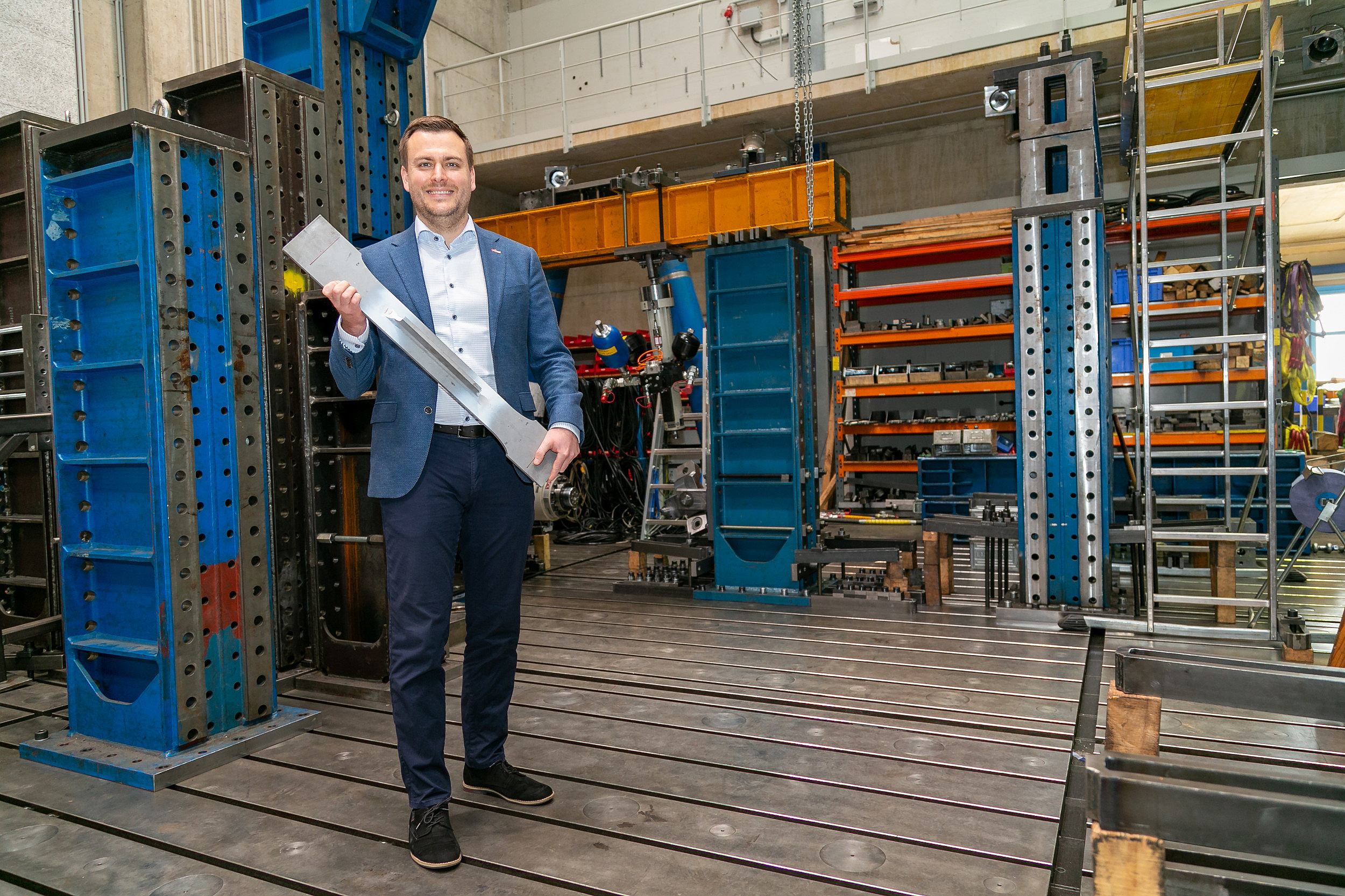
This CD Laboratory is researching ways to improve the entire railway system in terms of energy efficiency and life cycle costs: Basic research in the laboratory will enable the development of durable and safe rail vehicle structures in lightweight construction and the optimisation of friction-intensive components such as braking systems and the wheel-rail contact.
In order to improve the availability and operation of a railway system, it must be viewed holistically. This includes various parameters such as the energy efficiency and life cycle costs of rail vehicles, as well as wear and fatigue with corresponding maintenance effort during the operation for decades. In addition, environmental aspects must be taken into account, with emissions from material production to the operation of rail vehicles being particularly important. Various cost-based models exist to quantify the relative shares of these components. The aim is to enable structurally durable, reliable and appropriate lightweight constructions, e.g. for bogies and frame structures.
To achieve these goals, innovations are needed in materials, technological effects and structural integrity of the relevant components. This CD Laboratory focuses on two aspects: (1) structural durability with a focus on welded steel joints for lightweight constructions and (2) structural integrity with a focus on friction-based braking systems and wheel-rail interaction.
The topic of structural durability revolves around lightweight designs of steel components. High-strength materials are to be investigated for their suitability for welded and non-welded structures in rail vehicle design. The aim is to investigate component fatigue with materials exhibiting different strengths and varying manufacturing technologies. Load effects, such as load interactions, are also being investigated. The findings obtained from small-scale specimens can be further validated using representative rail vehicle structures.
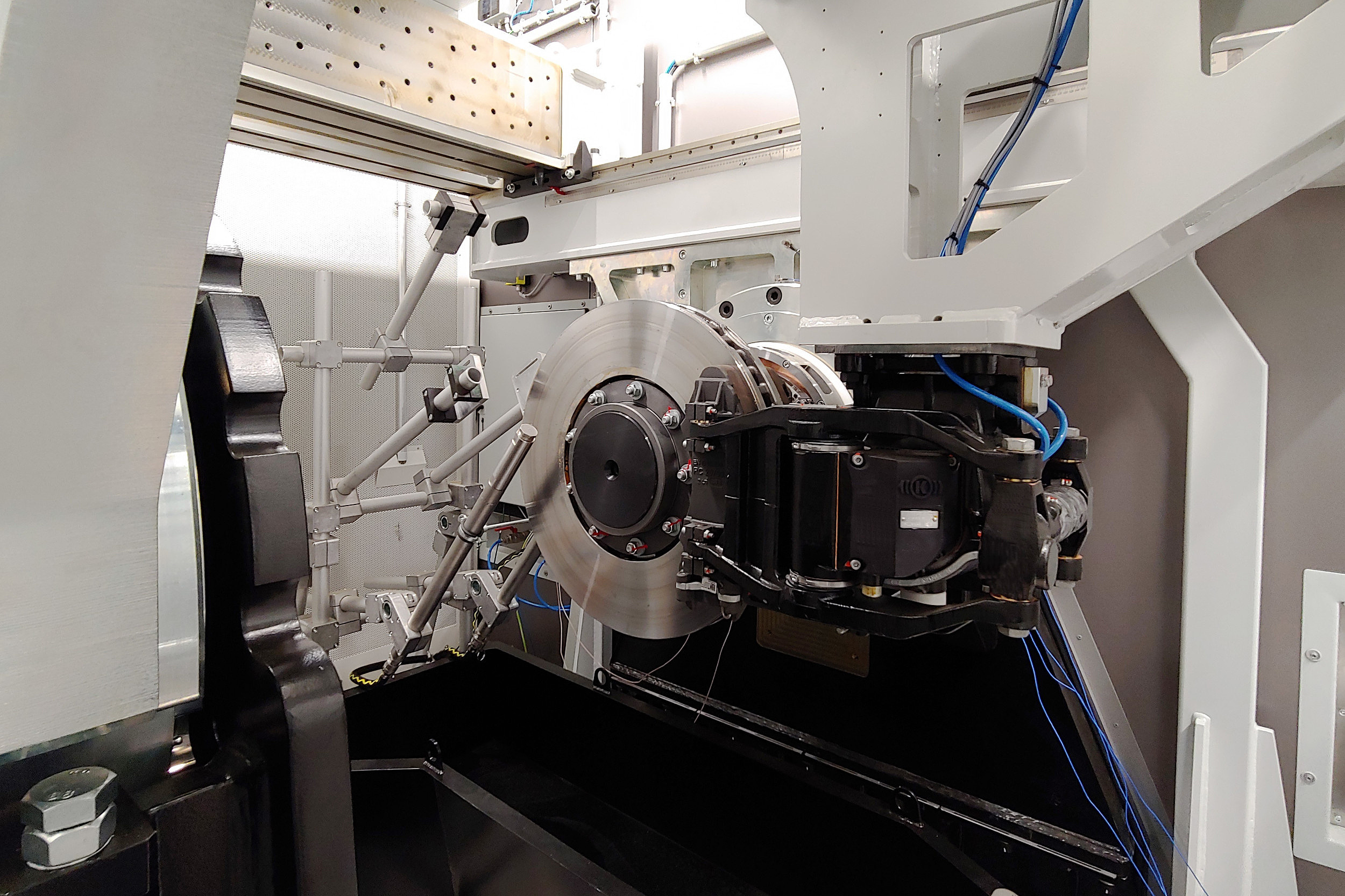
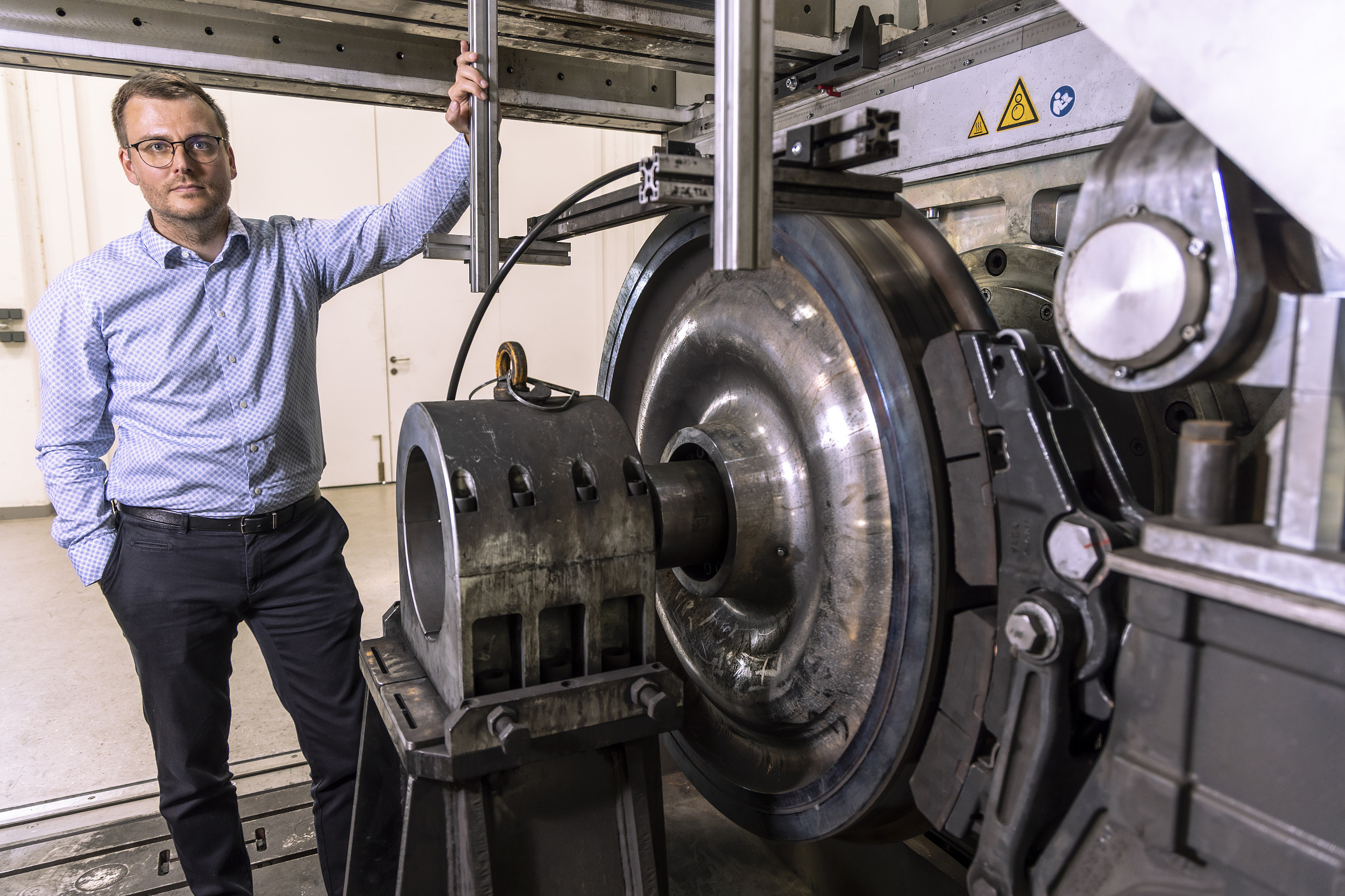
The second area involves investigating the structural integrity of friction-based braking systems. The focus here is on lightweight bogies and their structural dynamic behaviour under brake-induced excitation. Detailed studies of the interactions at the local (brake disc-pad contact) and global (entire bogie structure) levels are carried out using multi-body simulation and validation by means of novel test methods using an innovative brake test rig. In terms of holistic structural integrity, aspects of structural durability as well as particle and noise emissions from friction brake systems are also being researched. Furthermore, the effectiveness of friction modifiers in the wheel-rail contact is evaluated. On the basis of experimental and numerical analyses, significant influences on wear and acoustic behaviour are investigated in order to be able to better assess and optimize this in an application-oriented manner.